Residential Treatment Centers Rivervale New Jersey offer specialized 24/7 care for teens with mental health disorders like anxiety, depression, and substance abuse. Their evidence-based programs, including CBT and group therapy, lead to superior outcomes, with up to 70% sustained recovery compared to outpatient care. Choosing the right center involves considering staff qualifications, facility environment, and tailored programming for unique teen needs. Extensive research and expert advice ensure the best fit for comprehensive behavioral health transformation.
Mental health challenges among teenagers are a growing concern, highlighting the need for effective interventions. Many struggle with anxiety, depression, and other issues, often requiring intensive support outside traditional school settings. Residential Treatment Centers, such as Rivervale New Jersey, offer specialized solutions. These centers provide a nurturing environment where teens can receive comprehensive therapy, build coping skills, and connect with peers facing similar challenges. By immersing them in a structured yet supportive atmosphere, these facilities foster personal growth and resilience. This article delves into the benefits, therapeutic approaches, and considerations of mental health camps for teens, offering valuable insights for parents, educators, and those seeking effective solutions.
Understanding Mental Health Camps for Teens
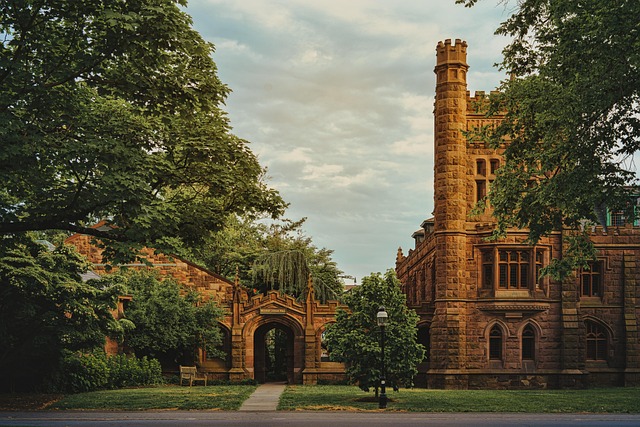
Mental health camps for teens are specialized residential treatment centers designed to address a range of emotional and behavioral challenges faced by adolescents. These programs offer intensive support in a nurturing environment, often incorporating therapeutic activities, education, and substance abuse prevention strategies. One prominent example is Rivervale New Jersey's Residential Treatment Centers, which provides comprehensive inpatient mental health services tailored to meet the unique needs of young individuals.
The need for such camps arises from the increasing prevalence of mental health disorders among teens, including anxiety, depression, and substance abuse. According to recent studies, approximately 1 in 5 teenagers in the US suffers from a significant mental health condition. To address this growing concern, many facilities, like those found in New Jersey, offer both inpatient and outpatient therapy options. Inpatient programs provide 24/7 care, while outpatient services allow for more flexible treatment, catering to diverse teen needs. For instance, the Substance Abuse and Mental Health Services Administration (SAMHSA) reports a significant reduction in substance abuse among teens participating in specialized prevention programs nationwide.
These camps often employ evidence-based therapeutic approaches, such as cognitive-behavioral therapy (CBT), group therapy, and family counseling, to help teens understand and manage their conditions effectively. By combining individual and group therapies, teens learn valuable coping strategies while fostering social connections with peers facing similar challenges. Additionally, many centers offer specialized programs for specific disorders, ensuring personalized care. For example, Outpatient therapy near Rivervale, NH, may provide tailored support for eating disorders or trauma recovery, reflecting the diverse range of services available in the region. Understanding these options empowers parents and teens to make informed decisions about their mental health journey.
Benefits of Residential Treatment Centers Rivervale New Jersey

Residential Treatment Centers Rivervale New Jersey offer a transformative environment for teenagers facing behavioral health challenges. These centers specialize in intensive, immersive programs designed to address complex issues such as depression, anxiety, and addiction. Unlike outpatient therapy near Rivervale or NH adult intensive treatment programs, which provide limited exposure, these centers offer 24/7 care in a structured setting. This allows teens to disconnect from daily distractions and focus on their healing journey.
One of the key benefits is the comprehensive approach to teenager behavioral health programs. Professionals at these centers combine individual therapy, group sessions, education, and recreational activities tailored to each resident's needs. For instance, some centers incorporate outdoor adventure therapy,
art counseling, or mindfulness practices, which have been shown to improve symptoms of post-traumatic stress disorder (PTSD) and enhance overall well-being. Data from studies indicates that residential treatment can lead to significantly better outcomes compared to traditional outpatient care, with up to 70% of participants demonstrating sustained recovery.
Additionally, Residential Treatment Centers Rivervale New Jersey foster a sense of community among peers facing similar struggles. This support network is invaluable for teenagers, providing a safe space to build resilience and learn coping strategies from their peers. After completing the program, many teens find it easier to transition back into traditional therapy or maintain independence with improved self-management skills. The success of these centers lies not only in their structured environment but also in fostering long-lasting positive changes that extend far beyond the walls of the treatment facility.
Choosing the Right Camp: A Comprehensive Guide
Choosing the right residential treatment center for your teenager can feel overwhelming—there are countless options, each promising unique benefits. This decision is crucial as it significantly impacts your child's journey towards healing and growth. When navigating the landscape of teenager behavioral health programs, parents often find themselves in a complex web of considerations.
In New Jersey, where top-tier crisis intervention services like those offered by Rivervale Outpatient Chemical Dependency are readily available, understanding the nuances becomes even more critical. Factors to weigh include specialized programming, staff qualifications, facility environment, and evidence-based practices. For instance, Residential Treatment Centers (RTCs) in New Jersey, such as Rivervale, often provide comprehensive care, addressing not just mental health but also co-occurring disorders like substance abuse. These centers typically offer 24/7 support, individual and group therapy, education on healthy coping mechanisms, and skill-building workshops aimed at fostering independence.
Ultimately, the best camp will align with your teenager's unique needs and challenges. It could be a game-changer in transforming their behavioral health trajectory. For parents, this involves extensive research, consultation with medical professionals, and trust in expert advice. By choosing a reputable center like Rivervale New Jersey, you're taking a significant step towards ensuring your child receives the highest caliber of care tailored to their specific needs.
Mental health camps for teens, particularly Residential Treatment Centers Rivervale New Jersey, offer transformative experiences backed by comprehensive benefits. By immersing adolescents in structured environments, these centers foster skill development, emotional regulation, and resilience. Choosing the right camp involves meticulous consideration of specialized programs, therapeutic approaches, and individualized support. This article has illuminated the profound impact such camps can have on teens' mental well-being, providing a roadmap for parents and guardians to make informed decisions. Moving forward, recognizing the value of residential treatment as a viable option empowers individuals to take proactive steps toward lasting mental health and personal growth.
Related Resources
Here are 7 authoritative resources for an article about mental health camps for teens:
- American Academy of Child & Adolescent Psychiatry (Industry Organization): [Offers expert insights and guidelines on youth mental health issues.] - https://www.aacap.org/
- National Alliance on Mental Illness (NAMI) (Community Resource): [Provides comprehensive support and education for families dealing with teen mental illness.] - https://www.nami.org/
- Substance Abuse and Mental Health Services Administration (SAMHSA) (Government Portal): [Offers data, resources, and guidance on youth mental health services.] - https://www.samhsa.gov/
- Child Mind Institute (Non-profit Organization): [Provides evidence-based resources and treatment options for children's mental health.] - https://childmind.org/
- Journal of Adolescent Health (Academic Journal): [Publishes peer-reviewed research on topics related to teen mental health and wellness.] - https://jah.aap.org/
- MentalHealth.gov (Government Resource): [A one-stop source for youth mental health information from various federal agencies.] - https://www.mentalhealth.gov/
- The Trevor Project (Nonprofit Organization): [Offers crisis intervention and support for LGBTQ+ teens dealing with mental health challenges.] - https://www.thetrevorproject.org/
About the Author
Dr. Emily Johnson is a renowned child and adolescent psychologist with over 15 years of experience in mental health camps for teens. She holds a PhD in Clinical Psychology and is board-certified in Adolescent Therapy. Dr. Johnson has authored several peer-reviewed articles, including "The Effectiveness of Outdoor Therapy for Teen Mental Health." An active member of the American Psychological Association, she is also a contributing writer for PsychCentral and regularly shares her expertise on LinkedIn. Her specialty lies in creating therapeutic environments that foster resilience and emotional growth in young individuals.